
Ten Cognitive Biases That Could be Running Your Life
(Part 1)

How biased do you think you are? This may even be a trick question, because your answer to that is probably going to be slightly biased! I don’t know if its possible to remove all kind of bias (or if it is completely necessary) but one of the best ways of becoming more open minded, emotionally intelligent and someone who can think outside the box is by becoming aware of what influences our decisions subconsciously, and being able to see past that. That alone helps us look at things from a different perspective (even if we don’t change our mind). On my quest to be a well rounded thinker, I have looked into some of the popular biases that influence our decision making, and how to look out for them and decide if they are working for you or not. So I am here to share it with you. (Stay tuned for 6-10 tomorrow).
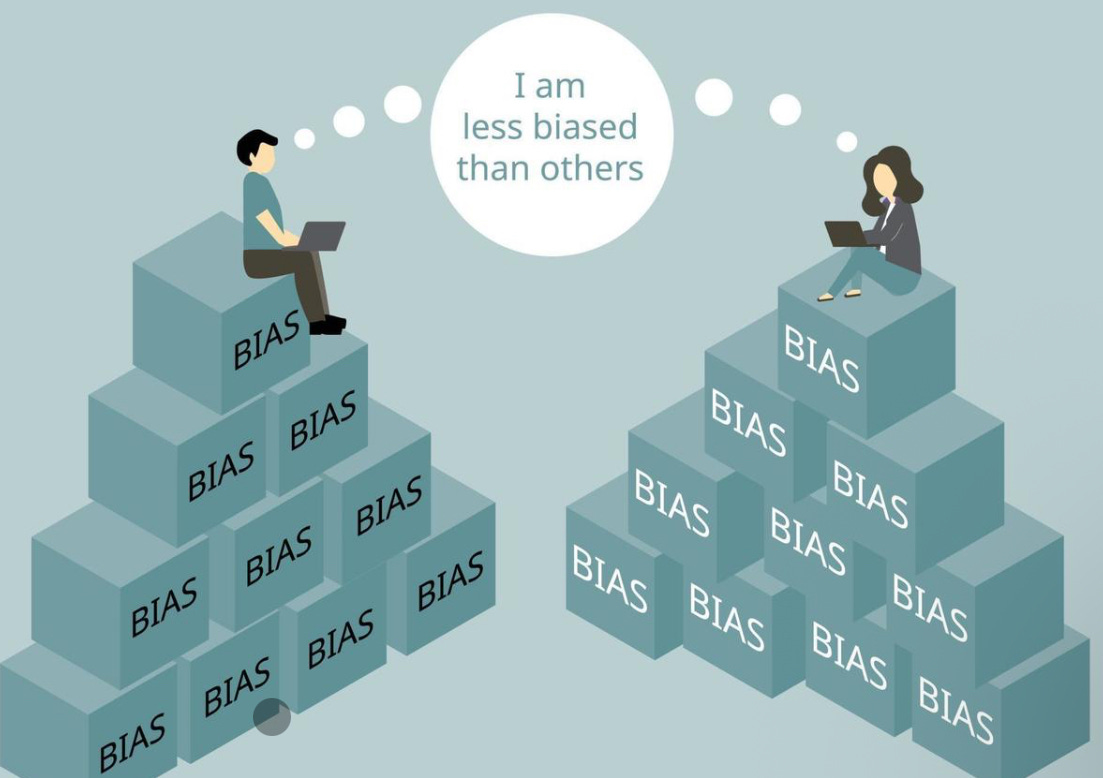
I’m going to go through 10 mental / psychological biases (although there are plenty more), so you can make better decisions. And I’m talking about decisions when you’re purchasing something, Quitting something, decisions for your own future, about your career, about your own abilities, and decisions for your relationships.
By nature we are biased creatures, and biases do serve us in some capacity they are not all bad. It is the brain’s way of making a short cut to a decision, or an action based on what we know. Our biases serve as a protective mechanism. However, like most things, they don’t always work perfectly. And I think that just the simple act of being aware of a bias is going to help you make better decisions.
Lets get into it. (See which ones you are a seasoned pro at)
1. Loss Aversion (Sunk Cost Fallacy)
People prefer avoiding losses over acquiring equivalent gains. The pain of losing something is felt more intensely than the pleasure of gaining it. This is why people stay in relationships, careers, or situations they aren’t happy with because they don’t want to “lose” the time, effort, or investment they’ve already put in, even though by staying they do not ‘recoup’ the loss. This is what leads people to hold on to investments a lot longer than they should, or stay at the casino for longer.
Next time you are making a decision, ask whether you’re protecting something because you’re genuinely happy with it or simply because you’re trying to avoid a loss.
It’s important to note, whether you stay or leave, the loss has already happened. Those years you will not get back. The money you spent etc. Staying will only extend the loss, but until you walk away (in your head) the loss doesn’t feel like it has happened yet. And this is a safe space we tend to stay in.
2. Self Serving Bias
This old chestnut. Where we attribute our successes to our own abilities, effort, or intelligence, but blame failures on bad luck, timing, other people, or circumstances. The problem is that if you always explain away failure with external reasons, you never learn from it and you never improve. Taking ownership of what didn’t work isn’t negative self-talk, it’s how you grow, adapt, and approach your next goal differently.
In the short term it feels like a bias that protects our self esteem and self image. And this happens because we attach what we do to our identity. And when we make a mistake, taking ownership of it would mean we admit WE are flawed, not just our actions.
We think ‘if I failed at something and I admit that it was my fault / responsibility and it was within my control, then I am a failure’. The issue with this becomes an inability to accept ownership or accountability for our mistakes or lack of preparation. The ones who are able to admit defeat, or that they need to improve or change their approach are the ones who have higher self esteem and confidence. They don’t see their failures as a direct reflection of who they are. And they are able to throw themselves back into the ring without pride getting in the way. (This is the difference between growth mindset and fixed - stay tuned for that post coming soon)
Overcoming this bias helps you learn to become comfortable in yourself, and to be open to criticism that will help you grow and improve.
3. Herd Mentality
Herd mentality is conforming to the actions, beliefs, or opinions of a group without thinking critically for yourself. It’s not about avoiding the crowd or going against the crowd, instead its more about Making sure you’ve actually thought about what you believe. The more attached you are to being accepted by the people around you, the harder it becomes to make decisions that are right for you instead of decisions that keep everyone else comfortable.
Additionally to that, it’s where you’re not thinking independently or you’re not critically appraising that situation. Its important to note that it is not about going against the grain of a poplar belief, thinking that believing that makes you a sheep. Often a popular belief is popular for a reason. It’s about thinking if it makes sense to you. Not having to be different to prove you are not a sheep. So herd mentality has got nothing to do with not going with the crowd. It’s where you go with the crowd without thinking for yourself.
4. Anchoring Bias
Know this next time you make a purchase! In Anchoring bias, we rely heavily on the first piece of information we receive and use it as a reference point for everything that follows. This influences how we judge products, prices, situations, and people. A luxury brand might show you an extremely expensive item first so everything else feels reasonable by comparison. The same thing happens with people. First impressions can become the anchor that influences how we interpret everything they do afterwards.
For example, when you go into a luxury clothing store or a luxury car dealership, you’re likely
going to be faced with something really, really expensive at the start. That’s the anchor. That is how you gain information about this brand. You’re like, this is a fucking expensive brand. This is luxury. Then you see an item that in comparison to that first thing that you saw is cheap. If you were to see that item somewhere else, you’d be like, that’s a ridiculously expensive scarf. But because you saw a $3,000 jacket and then you saw a $300 scarf, you immediately think $300 is not a bad price for a scarf because you’re using the anchor. But really, that scarf is expensive.
Many brands probably only ever trying to sell you the middle range. And a lot of brands use this selling strategy. It’s just leaning into psychology to get people to buy your product and to spend money. There’s nothing wrong with that as long as you are aware as the consumer.
But the same thing can happen in dating. You might have a really great date with someone and the experience on that night is this person’s charismatic, they’re generous, they’re funny, they’re adventurous. So that’s your anchor, the first impression that you had of this person.
And then you notice that they do something that’s quite shitty or they’re being rude, you may dismiss it and make excuses around it because it’s relative to the anchor ‘but they’re such a good person’ is what you are telling yourself.
5. Confirmation Bias
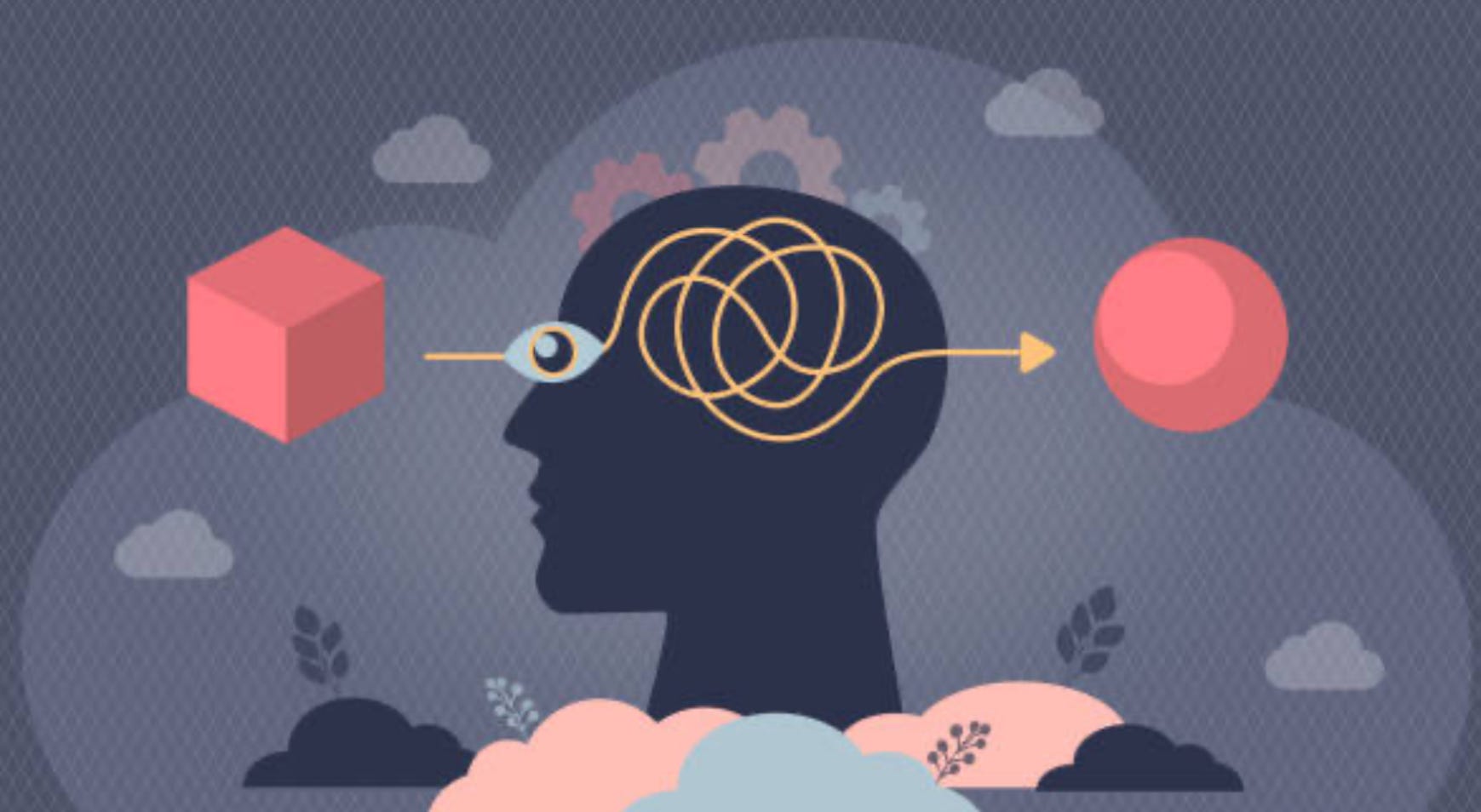
We seek out, interpret, and remember information that confirms our existing beliefs while dismissing information that challenges them. Social media can amplify this by continually showing us what we already agree with. Confirmation bias can stop us from being good critical thinkers because we’re only looking at one side of the picture. A useful question is: “How would I view this if I looked at it from the other side?”
An example is politics on social media (which can be extremely damaging to the political landscape globally because social media algorithms are purposely extremely biased). You’re pulling in all the information that you agree With and anything that highlights the good in the opposing party or their leader, you will either dismiss or ignore altogether.
This gets in the way of you being a good critical thinker because Your confirmation bias takes over. Your selective attention takes over and you’re more likely to notice things that align with you and you will blatantly dismiss things that don’t.
This bias includes selective interpretation. So this is where you’ll be confronted with something that might be ambiguous and you will find something within that ambiguity that will still support your beliefs without realizing that if you were to look at that same thing from a slightly different angle.
Try to ask yourself often ‘Can I zoom out and look at the bigger picture? and what could I learn?’.
Tomorrow we go over the next 5 confirmation biases. Part 2 coming!